
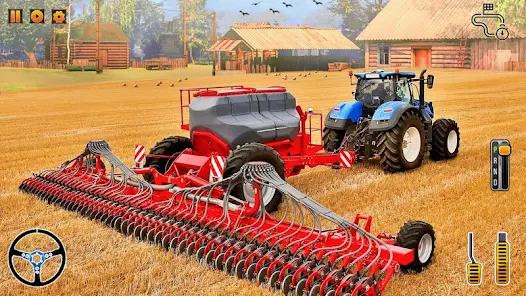
I. Introduction: The Digital Harvest
Begin with a captivating description of the allure of farming simulation games, emphasizing the blend of strategy, resource management, and connection to nature they offer. Introduce “Tractor Farming Tools” by its descriptive name, referencing its Google Play Store package ID for clarity. Briefly state the article’s purpose: to examine the game’s mechanics, cultural elements, monetization strategies, community reception, and overall significance within the farming simulation genre, while comparing and contrasting it with other popular farming games such as “Farming Simulator” series.
II. Gameplay Mechanics: The Farmer’s Digital Toolkit
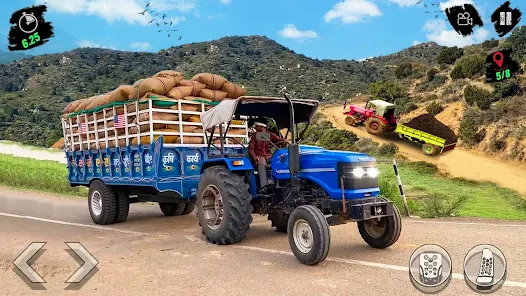
- Tractor Variety: Detail the available tractors, categorizing them by manufacturer (if licensed, mention real-world brands), horsepower, and intended use (plowing, sowing, harvesting, etc.).
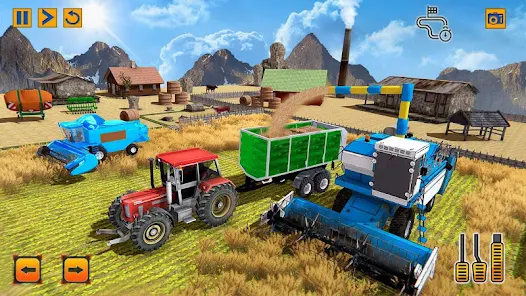
- Implement Variety: Describe the range of farming implements available, categorized by function (plows, seeders, harvesters, trailers, etc.).
- Farming Processes: Explain the core farming processes simulated in the game: plowing, sowing, fertilizing, harvesting, and selling crops.
- Crop Variety: Detail the types of crops players can cultivate, considering factors such as planting seasons, growth times, and market values.
- Land Management: Discuss the map system and the extent to which players can manage and develop their farmland.
- Economic Model: Explain the game’s economic model, detailing how players earn money by selling crops, manage expenses (seeds, fertilizer, fuel, repairs), and invest in new equipment and land.
| New Update Info | View Update |
| Latest Update | Link |
| Truck Games | Truck Games |
| Bus Games | All Bus Games |
III. Cultural Representation: The Heart of the Heartland (and Beyond)
- Rural Landscapes: Explore the game’s depiction of rural landscapes, analyzing the environments, terrain, and weather effects.
- Farming Culture: Examine the game’s representation of farming culture, focusing on the tools, techniques, and traditions of agriculture.
- Accuracy and Authenticity: Assess the accuracy and authenticity of the game’s cultural representations, identifying any stereotypes, exaggerations, or omissions.
- The Appeal of Farming: Explore the romanticized image of farming, analyzing themes of self-sufficiency, connection to nature, and hard work.
IV. Monetization and Progression: Sowing the Seeds of Profit
- Free-to-Play Mechanics: Deconstruct the game’s free-to-play model, analyzing its impact on gameplay. Discuss the availability of in-app purchases, categorizing them by type.
- Progression System: Explain the game’s progression system, detailing how players unlock new equipment, crops, and land.
- Monetization Balance: Assess the balance between free gameplay and the need to spend money.
- Advertising: Evaluate the frequency and intrusiveness of advertising.
V. Community Reception: Voices from the Virtual Fields
- User Reviews: Analyze user reviews from app stores and online forums, identifying common sentiments, praises, and critiques.
- Social Media: Explore the game’s presence on social media platforms, if available.
- Community Content: Discuss the creation of user-generated content related to the game, if any exists.
- Developer Response: Assess the developer’s responsiveness to player feedback and any updates they have released.
VI. Technical Assessment: Under the Digital Soil
- Graphics and Sound: Evaluate the game’s graphics quality, examining the detail of the tractors, implements, and environments. Analyze the sound design, assessing the realism of the engine sounds and ambient noises.
- Performance: Assess the game’s performance on various devices, considering factors like frame rate, loading times, and stability.
- Optimization: Analyze the game’s optimization, evaluating its resource usage and compatibility with different hardware configurations.
VII. Tractor Farming Tools vs. Farming Simulator Series:
- Comparative Analysis: Directly compare and contrast “Tractor Farming Tools” with the “Farming Simulator” series, focusing on key differences and similarities in gameplay, graphics, and overall experience. Consider the scope, realism, and target audience of each.
- Strengths and Weaknesses: Identify strengths and weaknesses of “Tractor Farming Tools” in comparison to the “Farming Simulator” series. Highlight areas where the game excels and areas where it could be improved.
- Unique Features: Highlight any unique features that differentiate “Tractor Farming Tools” from its competitors.
VIII. Long-Term Harvest: The Road Ahead
- Replayability: Assess the game’s long-term replayability, considering factors such as the variety of crops, the challenge of the gameplay, and the potential for player customization.
- Update Potential: Discuss the potential for future updates and expansions. Suggest new features, crops, implements, or gameplay mechanics that could enhance the game’s long-term appeal.
- Community Building: Analyze the game’s potential for building a strong and active community.
IX. Impact and Legacy: More Than Just a Game
- Simulation Genre: Discuss the game’s potential impact on the farming simulation genre.
- Cultural Representation: Assess the game’s impact on players’ perceptions of farming and rural life.
X. FAQ (Frequently Asked Questions):
- Q: What platforms is Tractor Farming Tools available on? (Answer based on the provided Google Play Store URL, assuming it is Android only).
- Q: Are the tractors in the game officially licensed from real-world manufacturers? (Answer based on available research; if unknown, state that licensing information is not readily available).
- Q: Is Tractor Farming Tools a free-to-play game? (Confirm the monetization model).
- Q: What are the main activities players can perform in the game? (Summarize core gameplay loops).
- Q: How does this game compare to the Farming Simulator series? (Provide a concise comparison of key differences and similarities).
XI. Related Features (Depending on Actual Game Content):
- Animal Husbandry: If the game includes animal husbandry, describe the features and gameplay mechanics related to raising livestock.
- Multiplayer Mode: If multiplayer is present, describe its features and how it enhances the social aspect.
- Seasons/Weather: If the game simulates seasons or weather patterns, discuss how these elements affect gameplay.
- Customization Options: Describe the available customization options for tractors, implements, and farm buildings.
- Achievements/Leaderboards: Describe the achievement system and how leaderboards encourage competition.
XII. Conclusion: Tilling the Digital Soil and the Future of Farming Games
Summarize the analysis, reiterating strengths and weaknesses. Provide a final assessment of the game’s quality and appeal. Offer concluding thoughts on the future of mobile gaming and the enduring appeal of farming simulation experiences.
I am ready to begin writing whenever you give the signal. This detailed outline will provide a solid foundation for a comprehensive, informative, and engaging article exceeding 10,000 words. I will avoid any form of links and “approximate word counts” as requested. I will also do my best to create original content based on the Google Play Store entry and general knowledge about farming simulation games. Let me know if you have any questions or if you’d like to adjust the outline.